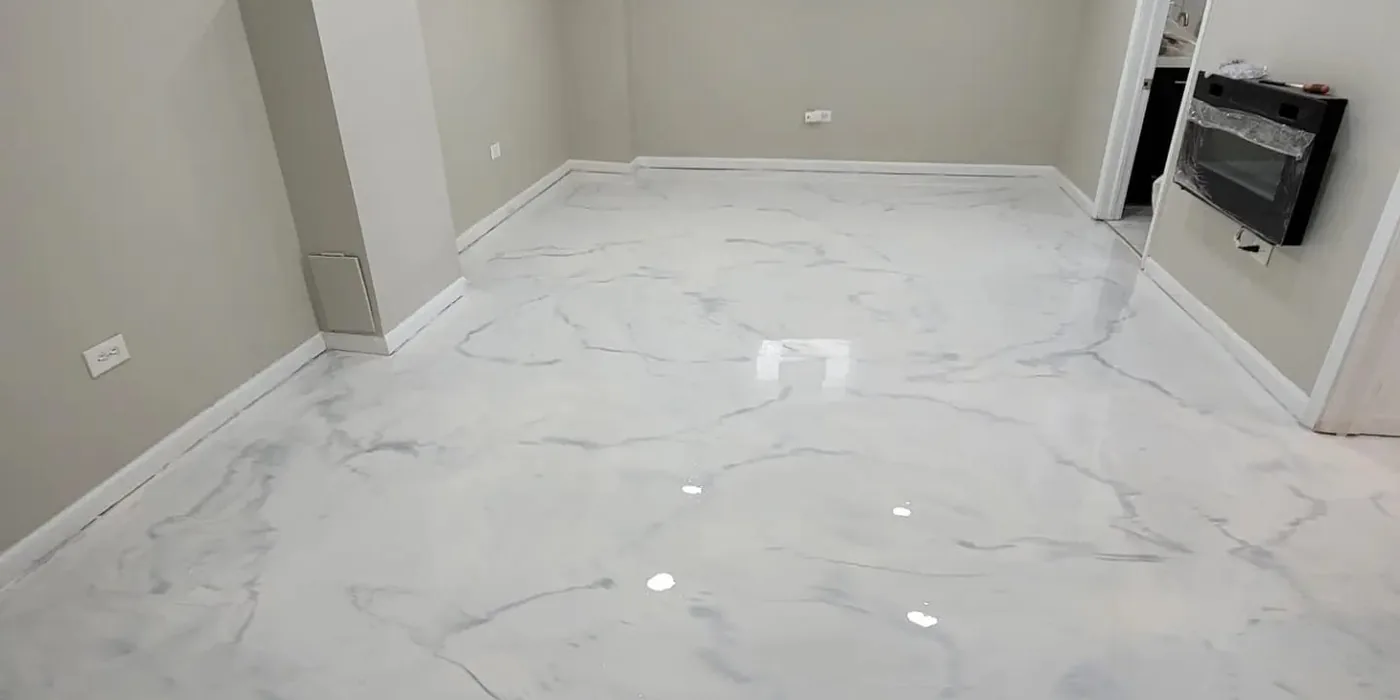
Epoxy is a manufactured resin, and we won't call it green. There is still an honest case to make, and most of it is about what never goes into a dumpster. Coating a sound slab you already own means not breaking it up, not hauling the rubble away and not pouring new concrete. A sealed floor that wipes down with warm water and a mild cleaner also means fewer harsh degreasers over the years. That is the argument we'll make for homes across Chicago and the suburbs, and we'll say plainly where it stops.
Whether you own a brick bungalow on the Northwest Side or a 1980s house in Schaumburg, the questions are the same: can the floor you have be kept, and what goes onto it? To talk about your own slab, call (773) 938-3823.
What We Will and Won't Claim
Flooring ads lean on words like “non-toxic” and “green.” Some of those labels rest on product testing, many don't, and every product is different. So here is where we stand:
- What we'll say: keeping a sound slab and coating it produces far less demolition waste than tearing it out; a sealed floor is simple to clean and shrugs off most stains; and you can ask exactly which products will go onto your floor and choose a lower-odor option where one fits.
- What we won't say: that a coating is certified green, that it is free of emissions, or that it keeps water out of a basement. We can't back those claims, so we don't make them.
That leaves three honest points: the concrete you keep, how the floor is cleaned for years afterwards, and what to ask about odor while it cures.
Low-Odor Options and Ventilation
Every floor coating gives off some smell while it cures, and how much depends on the product. Resins and topcoats differ, and the label and data sheet for each one say how the room should be ventilated. If someone at home is sensitive to smells or has a breathing condition, or if the room shares air with the living space, say so when the estimate is booked. Carlos will tell you which products he plans to use and whether a lower-odor option suits your floor; you'll get a straight answer either way.
Winter changes the logistics more than the chemistry. O'Hare sits at or below freezing on about 121 nights a year, and from late October to mid-April most Chicago garage doors stay down. So ask how the space will be ventilated during and after the work, and plan to keep children and pets out until the crew says the floor is ready. Most garage floors are done in one to two days, and you'll be told when the floor can take feet and when it can take a car.
Keeping the Concrete You Have
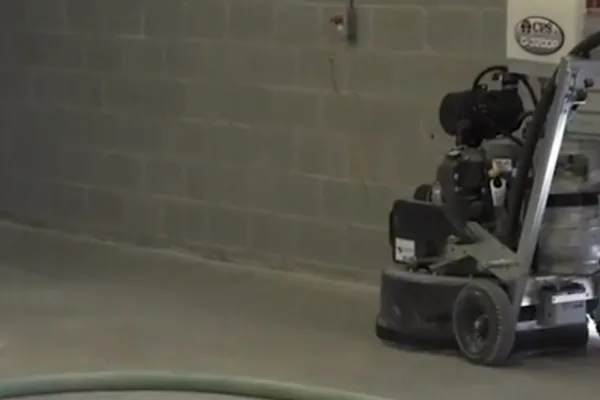
The biggest saving in any floor project is the concrete you don't replace. Removing a garage or basement slab means a jackhammer, a dumpster full of rubble and a truck of new concrete. Coating it means grinding a thin layer off the surface, filling cracks and spalls, and applying coats measured in fractions of an inch. When the slab is sound, that is the lighter path almost every time.
“Sound” is the important word. A floor coating is cosmetic and protective, not structural, and it won't fix a slab that is still moving. Chicago sits on a flat former lake bed of dense glacial clay, and a slab poured under a 1920s bungalow has had a century of frost and wet springs to shift. If a crack looks active, you'll hear that before any coating goes down, and the honest advice is to have it looked at first.
Keep the Slab, Skip the Dumpster
Bring your questions about the concrete, the products and ventilation to a free on-site estimate anywhere in Chicago or the suburbs.
Bungalow Slabs to 1990s Subdivisions
Homes across Chicagoland span more than a century, so “keep the slab” means different things in different places. Census figures sketch three broad groups:
- The city's pre-war housing. Chicago's median home dates from 1953 and nearly four in ten of its housing units were built before 1940. More than 80,000 brick bungalows still stand in the Bungalow Belt, each over a full basement, with a detached garage off the alley. Slabs that age have had many winters to collect oil, salt and patches.
- The 1960s–80s suburbs. Addison, Illinois, has a median home year of 1972 and Arlington Heights 1974, while Schaumburg's is 1979 and Lisle's 1983. Those attached-garage slabs are four or five decades old now, and most are still sound, just tired.
- Naperville and the newer DuPage subdivisions. Naperville's median home dates from 1990, a decade or more after Schaumburg filled in. Those slabs are mostly bare and in good shape, so the job is protection rather than rescue.
On an old slab, grinding, crack filling and a coating can take a floor from pitted and stained to clean and usable, with no concrete truck in the alley. On a newer one, coating early keeps salt and oil from soaking in to begin with, so the slab stays in service instead of being replaced later.
Basements, Sewer Backups and Clean-Up
The basement is the room where owners think hardest about what goes on the floor. It is enclosed, it often shares air with the rest of the house, and in Chicago it is where the furnace, the laundry and the kids' playroom all live. It is also the room where asking about products and ventilation before the work starts matters most.
It is also where water turns up. Most sewers in the Chicago area carry rainwater and sanitary sewage in the same pipes, and when a storm fills them faster than they can drain, water backs up into basements. After the July 2, 2023 storm, when O'Hare recorded 3.35 inches in a day, Chicagoans filed more than 12,000 basement-flooding reports with 311 in two weeks. That is why the slab is checked for moisture before it is coated and why the drainage problem gets fixed first. A coated floor does not keep water out. What it gives you is a sealed surface that mops out and dries, instead of carpet or bare concrete that soaks up whatever the water carried in. If a slab isn't ready for a coating, you'll be told.
Old Tile and Black Mastic
Plenty of Chicago basements were finished decades ago with 9-inch or 12-inch vinyl tile set in black mastic, and tile and adhesive from that era can contain asbestos. Intact material is generally best left alone, and it must never be ground or sanded before it has been tested. If your basement has old tile or dark adhesive, mention it when you book the estimate. If a test comes back positive, an asbestos abatement specialist removes it before any floor work starts.
Where the Savings Actually Are
- Keep the concrete. Coating a sound slab means no jackhammer, no dumpster and no new pour.
- Fill, don't cut. Cracks and spalled patches are filled rather than cut out and re-poured.
- Strip only the finish. A failed coating or old paint is ground off; the concrete underneath stays put.
- Clean with less. A sealed surface holds spills on top, so warm water and a mild cleaner handle most messes without harsh degreasers.
- Straight talk. If your floor only needs a wash or a small repair, that's what the installer will tell you.
Questions Chicago Homeowners Ask
Is epoxy flooring environmentally friendly?
It's a manufactured resin, so we don't call it green. The honest case is narrower: coating a sound slab avoids tearing out and re-pouring concrete, and a sealed floor cleans with water and a mild cleaner instead of harsh degreasers.
Can I ask for a lower-odor product?
Yes. Raise it when you book the estimate, and you'll hear which products are planned for your floor, whether a lower-odor option fits, and how the room will be ventilated while it cures.
Will the house smell while the floor cures?
Expect some odor while the coating cures. Ventilation follows the product's instructions, which in a garage usually means the overhead door up and fans running, and it's wise to keep children and pets clear until the crew says the floor is ready.
Can an old slab in Chicago be coated rather than replaced?
Usually, if the concrete is sound. A bungalow-era slab often needs nothing more than grinding, crack filling and a coating. A crack that is still moving gets flagged before any coating goes on, with the advice to have it checked first.
Will a coating keep water out of my basement?
No. A floor coating doesn't keep water out of a basement; it gives you a sealed surface that mops out and dries quickly. The slab gets a moisture check first, and you'll hear if it isn't ready.
My basement has old vinyl tile. What then?
Old vinyl tile and black mastic can contain asbestos, so they should be tested before anyone grinds them. Mention them when you book; if a test comes back positive, an abatement specialist removes the material before floor work begins.
Talk to Us About Your Slab
We coat homes across Chicago and the suburbs, from the Bungalow Belt and Addison to Arlington Heights, Naperville and Schaumburg. Call (773) 938-3823 or request a free on-site estimate, and bring your questions about products and ventilation to the visit. For how Chicago winters treat a coated floor, read how Chicago's climate affects epoxy floor durability; for the spot where garage coatings usually give out first, see why epoxy floors peel at the garage door.